

Dental Scaling in Manapakkam for Healthier Gums, Cleaner Teeth, and Better Long-Term Oral Care
What to Know Before Choosing Teeth Cleaning or Gum Deep Cleaning Treatment
Bleeding while brushing, bad breath, swollen gums, tartar buildup, or a rough feeling near the gum line may seem like small oral changes in the beginning. But in many cases, these signs may indicate plaque buildup below the gums or early gum inflammation. At Boomi Quality Dentistry, gum care and preventive treatment is guided by Dr. Elakkiya, a BDS-qualified dentist with clinical experience in preventive and restorative dental care. Many people exploring Dental Scaling in Manapakkam usually want clear answers about teeth cleaning, gum health, tartar removal, bad breath, and whether deep cleaning will feel comfortable. A proper dental evaluation helps determine whether routine scaling or deeper gum cleaning may be needed.
When Plaque and Tartar Start Affecting Gum Health
Not all gum problems begin with pain. In many cases, plaque slowly hardens into tartar near the gums, making brushing less effective over time. Some people first notice bleeding while brushing, bad breath, or gums that feel swollen.
If tartar remains for too long, it may begin affecting gum support around the teeth. Early professional cleaning often helps protect both gums and teeth before deeper gum problems develop.
Early Signs Your Gums May Need Professional Cleaning
- Bleeding While Brushing – Gums may be inflamed
- Bad Breath – Bacteria may be trapped
- Yellow or Brown Deposits – Tartar may be present
- Swollen Gum Edges – Gum irritation may be developing
- Food Trapping Near Gums – Plaque buildup may increase
- Rough Tooth Surface – Hard deposits may be attached
Understanding What Dental Scaling Actually Does
Dental scaling is a professional cleaning treatment designed to remove plaque, tartar, and bacterial buildup from the tooth surface and around the gum line..
The goal is not only cleaner teeth. Scaling also helps reduce gum irritation, support fresher breath, improve gum health, and lower the risk of deeper gum infection.
What Dental Scaling Can Help Improve
- Tartar Removal – Helps remove hard deposits
- Cleaner Tooth Surface – Helps smoother teeth
- Gum Health Support – Helps reduce inflammationt
- Bad Breath Reduction – Helps reduce bacterial buildup
- Plaque Control – Helps maintain oral hygiene
- Long-Term Gum Protection – Supports healthy tissues
Your First Gum Health Consultation
Before cleaning begins, your dentist carefully checks gum health, tartar buildup, bleeding points, gum pocket depth, and overall oral hygiene condition.
During consultations, one common concern is whether the gums need simple cleaning or deeper periodontal care. A proper diagnosis helps answer this clearly before treatment starts.
What Happens During the First Visit

- Gum Examination – Checks gum condition
- Plaque Assessment – Reviews buildup levels
- Tartar Detection – Identifies hard deposits
- Bleeding Point Review – Checks inflammation
- Pocket Depth Evaluation – Helps deeper assessment
- Treatment Planning – Explains suitable care
Teeth Cleaning Helps More Than Cosmetic Appearance
Many people think teeth cleaning is only done to improve appearance. In reality, professional cleaning helps remove harmful buildup that daily brushing cannot always reach.
For many adults exploring Teeth cleaning in Manapakkam, the biggest benefit often becomes fresher breath, healthier gums, and easier daily oral hygiene.
Benefits of Professional Teeth Cleaning
- Cleaner Teeth Surface – Helps smoother feel
- Fresh Breath Support – Helps reduce bacteria
- Gum Comfort – Helps reduce irritation
- Plaque Removal – Supports oral hygiene
- Stain Reduction – Helps cleaner appearance
- Preventive Oral Care – Helps long-term health
Gum Cleaning May Be Needed When Tartar Goes Below the Gum Line
Sometimes tartar buildup stays above the gum line. In other cases, plaque and bacteria may begin affecting deeper gum areas.
When this happens, deeper cleaning may be recommended to help protect gum attachment and reduce bacterial spread. Many adults comparing Gum cleaning in Manapakkam or Deep cleaning teeth in Manapakkam often want to understand the difference before treatment.
Signs Deeper Gum Cleaning May Be Needed
- Persistent Gum Bleeding – Inflammation may be deeper
- Swollen Gum Tissue – Bacterial buildup may increase
- Bad Breath That Returns – Deeper deposits may be present
- Gums Feel Sensitive – Gum tissue may be irritated
- Food Gets Trapped Near Gums – Plaque may build deeper
- Visible Gum Changes – Gum support may need attention
Scaling and Root Planing Are Not Always the Same Treatment
Many people hear the words scaling and root planing together and assume they mean the same procedure. In reality, both are related but used for different levels of gum care.
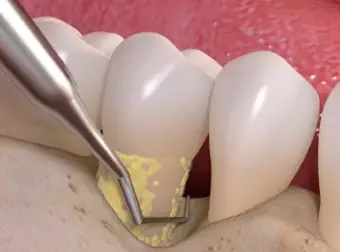
Scaling usually focuses on removing plaque and tartar from visible tooth surfaces and around the gum line. Root planing goes deeper by cleaning below the gums and smoothing the root surface when bacterial deposits begin affecting deeper gum support.
Understanding the Difference Between Both Treatments
| Treatment | Usually Focuses On | Recommended For | Main Goal |
|---|---|---|---|
| Dental Scaling | Teeth and gum line cleaning | Plaque and tartar buildup | Prevent gum irritation |
| Root Planing | Root surface below gums | Deeper gum infection | Support gum healing |
What Helps Decide the Right Gum Treatment
- Amount of Tartar – Surface or deeper deposits
- Gum Bleeding – Helps identify inflammation
- Pocket Depth – Shows gum support changes
- Bad Breath Pattern – Bacterial buildup may differ
- Gum Sensitivity – Tissue condition matters
- Clinical Examination – Helps treatment planning
What Happens During Deep Gum Cleaning
People often feel more relaxed when they understand what actually happens during treatment. Deep cleaning usually begins by carefully examining the gums, identifying deeper tartar deposits, and cleaning the affected areas around the roots.
The goal is to remove bacteria, reduce inflammation, and help the gums reattach more comfortably to the tooth surface over time.
Steps Usually Involved in Deep Cleaning
- Gum Area Evaluation – Checks affected regions
- Deposit Identification – Finds deeper tartar buildup
- Cleaning Below Gum Line – Removes bacteria and plaque
- Root Surface Smoothing – Helps gum healing
- Inflammation Control – Supports tissue recovery
- Post-Treatment Review – Checks comfort and healing
Why Bleeding Gums Should Not Be Ignored
Many people think bleeding while brushing is normal, especially if it happens only sometimes. In reality, bleeding gums may be an early sign that plaque or bacteria is affecting the gum tissue.
Treating gum inflammation early often helps protect the bone and soft tissue that support your teeth. Waiting too long may allow the infection to progress deeper..
Signs Your Gums May Need Professional Attention
- Bleeding While Brushing – Gum irritation may be present
- Swollen Gum Edges – Tissue may be inflamed
- Red Gum Color – Healthy gums may be changing
- Bad Breath That Returns – Bacteria may be trapped
- Tender Gum Areas – Early infection may be developing
- Gums Feel Different – Oral tissue may need evaluation
Tartar Cannot Always Be Removed by Brushing Alone
Plaque starts as a soft bacterial layer, but if it stays on the teeth too long, it can harden into tartar. Once tartar forms, regular brushing alone usually cannot remove it completely.
Professional cleaning helps remove these hard deposits and creates a smoother tooth surface that is easier to maintain at home.
Why Professional Tartar Removal Matters
- Hard Deposits Stay Attached – Brushing may not remove them
- Gums Become Irritated – Tartar traps bacteria
- Bad Breath May Increase – Bacteria remain active
- Plaque Builds Faster – Rough surfaces collect more deposits
- Tooth Surface Feels Rough – Tartar changes texture
- Long-Term Gum Support Matters – Early removal helps
Gum Treatment Can Also Help Freshen Breath
Persistent bad breath is not always related to food habits. In many cases, plaque, tartar, and gum inflammation may create bacterial buildup that affects breath quality.
When deeper gum cleaning removes bacterial deposits, many people also notice fresher breath and better oral freshness during daily interactions.
Why Gum Health Affects Breath
- Bacteria Can Stay Under Gums – Hidden buildup may remain
- Plaque Traps Food Particles – Odor may develop
- Inflamed Gums May Bleed – Bacterial activity increases
- Tartar Holds More Bacteria – Surface stays rough
- Cleaning Reduces Deposits – Helps oral freshness
- Healthy Gums Support Better Hygiene – Long-term comfort matters
Some Gum Problems Begin Quietly Before Pain Starts
Gum disease does not always begin with severe pain. In many cases, plaque and bacteria slowly affect the gums while people notice only small changes like mild bleeding, gum tenderness, bad breath, or a slightly rough feeling near the teeth.
Because these signs may feel minor, many people delay treatment until the gums become more sensitive. Early gum care often helps protect the natural support around the teeth before deeper damage develops.
Early Gum Changes People Often Ignore
- Mild Bleeding – Early inflammation may be present
- Gums Feel Puffy – Soft tissue may be irritated
- Bad Breath Returns Often – Bacterial buildup may increase
- Tooth Surface Feels Rough – Tartar may be attached
- Food Gets Stuck Near Gums – Plaque may collect
- Gums Feel Sensitive – Tissue may need care
Front Teeth and Back Teeth Can Show Different Gum Changes
Not every gum problem looks the same in every area of the mouth. Front teeth may show visible tartar, staining, or gum redness earlier, while back teeth may hide deeper plaque buildup because they are harder to clean.
This is why a full gum evaluation matters instead of focusing only on visible areas.
What Can Change in Different Areas of the Mouth
- Front Teeth Deposits – More visible tartar buildup
- Back Teeth Cleaning Difficulty – Plaque may stay longer
- Gum Color Changes – Inflammation may become visible
- Bleeding During Brushing – Tissue may be sensitive
- Food Trapping Areas – Bacteria may collect
- Hidden Plaque Buildup – Deeper cleaning may help
Recovery After Scaling and Root Planing Is Usually Gradual
After treatment, some people may notice mild gum sensitivity, slight bleeding while brushing, or temporary awareness near the treated areas. This usually improves as the gums begin healing.
Following the aftercare instructions given by your dentist often helps the gums recover more comfortably and supports better long-term oral health.
What Helps During Gum Healing
- Brush Gently – Helps protect healing gums
- Drink Enough Water – Supports oral freshness
- Avoid Very Hard Foods Initially – Helps reduce irritation
- Maintain Daily Oral Hygiene – Supports recovery
- Attend Follow-Up Visits – Helps monitor healing
- Report Unusual Swelling Early – Helps timely care
Daily Habits Can Affect Long-Term Gum Health
Professional cleaning removes existing plaque and tartar, but long-term gum health depends on what happens after treatment. Irregular brushing, smoking, skipping checkups, or ignoring bleeding gums may allow bacterial buildup to return.
Protecting gum health early often becomes easier than treating deeper gum problems later.
Habits That Help Maintain Gum Health
- Brush Twice Daily – Helps reduce plaque buildup
- Clean Between Teeth – Helps hidden areas
- Stay Hydrated – Supports oral freshness
- Attend Routine Dental Reviews – Helps early detection
- Treat Bleeding Gums Early – Helps prevent progression
- Maintain Balanced Oral Hygiene – Supports long-term health
Gum Health Can Affect More Than Just Your Teeth
Healthy gums support the teeth every day during chewing, speaking, and normal function. When gum inflammation continues for too long, it may slowly affect the tissues and bone that support the teeth.
Early gum care often helps preserve both the teeth and the surrounding support system for the long term.
Why Healthy Gums Matter
- Supports Tooth Stability – Helps natural function
- Protects Bone Support – Helps long-term oral health
- Reduces Bacterial Spread – Supports healthier tissues
- Improves Oral Freshness – Helps daily comfort
- Supports Better Chewing – Helps normal function
- Protects Natural Teeth – Helps avoid future complications
Questions People Usually Ask Before Choosing Teeth Cleaning or Gum Treatment
Before starting professional cleaning, most people do not ask only about stains or tartar. They usually want to know whether the treatment will feel comfortable, if bleeding gums can improve, how often cleaning may be needed, and whether deep cleaning is really necessary.
These are practical concerns because gum problems often begin quietly. Understanding the condition of the gums early often helps people protect their teeth and oral health with better confidence.
Common Questions Before Gum Cleaning Treatment
- Will scaling feel painful – Treatment comfort depends on gum condition
- Can bleeding gums improve? - Early care often helps
- How often is cleaning needed – Depends on plaque buildup and gum health
- Will bad breath improve? - Bacterial removal often helps
- Do all gums need deep cleaning? -Treatment depends on diagnosis
- Can tartar return – Daily habits affect long-term results
Treating Gum Problems Early Often Helps Protect Teeth Longer
Gum problems usually do not become serious overnight. Plaque, tartar, and bacterial buildup often affect the gums slowly before people notice visible changes.
Starting treatment at the right time often helps preserve gum attachment, support healthier teeth, and reduce the chance of deeper periodontal problems later.
Benefits of Early Gum Treatment
- Supports Healthy Gum Attachment – Helps long-term support
- Reduces Bacterial Buildup – Helps protect tissues
- Improves Daily Comfort – Helps reduce sensitivity
- Supports Fresher Breath – Helps oral confidence
- Protects Tooth Support – Helps prevent deeper damage
- Supports Long-Term Oral Health – Better future stability
What Most People Want to Know Before Removing Plaque or Tartar
Online searches for gum care usually begin with real concerns, not clinical terms. People often search for Teeth cleaning in Manapakkam, Tartar removal Manapakkam, Scaling and root planing, Deep cleaning teeth in Manapakkam, or Periodontist in Manapakkam because they want clear answers before treatment.
Understanding gum bleeding, tartar buildup, oral freshness, and long-term gum protection often helps people make better decisions about preventive dental care.
What People Usually Want Clarity About
- Can tartar be removed safely – Professional cleaning helps
- Will gums stop bleeding – Early treatment may improve tissue health
- Can deep cleaning improve bad breath – Bacterial control often helps
- How often should cleaning be done – Depends on oral hygiene habits
- Can gum disease be prevented – Early maintenance matters
- When should treatment start – Small changes should not be ignored
Protecting Gum Health Before Small Changes Become Bigger Problems
Plaque buildup, tartar deposits, bleeding gums, or persistent bad breath may seem minor in the beginning, but these small signs can slowly affect gum support if left untreated.
At Boomi Quality Dentistry, people exploring Dental Scaling in Manapakkam, Teeth Cleaning, or Deep Gum Cleaning often begin with simple concerns and leave with a clearer understanding of what their gums actually need.
Take the Next Step
If bleeding gums, tartar buildup, bad breath, gum sensitivity, or rough tooth surfaces have been affecting your oral comfort, a detailed gum health evaluation can help you understand the most suitable way to clean, protect, and maintain your teeth and gums.
Frequently Asked Questions
How often should teeth scaling be done?
The frequency depends on plaque buildup, gum health, tartar formation, and daily oral hygiene habits. Regular dental reviews help decide the right schedule.
Does dental scaling damage teeth?
No. Professional scaling is designed to remove plaque and tartar while helping protect your gums and tooth surfaces.
Is scaling and root planing painful?
Treatment comfort depends on gum condition and deposit depth. Modern techniques are planned to improve patient comfort.
Can gum bleeding improve after scaling?
In many cases, yes. Removing plaque and tartar may help reduce gum inflammation when oral hygiene is maintained.
Can tartar come back after cleaning?
Yes, tartar can return if plaque builds up again. Good oral hygiene and regular reviews help maintain healthier gums and cleaner teeth.